


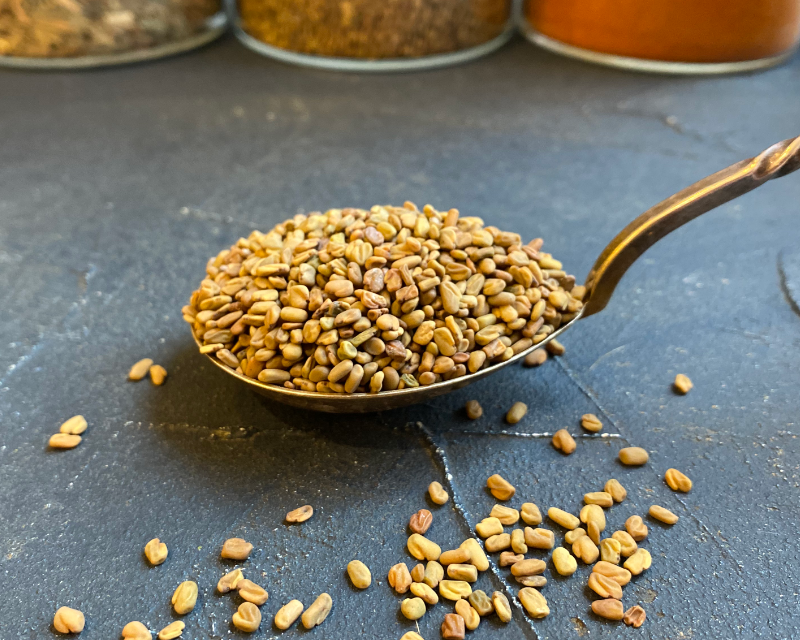
Organic fenugreek (methi) seeds
From 1.40€

Fenugreek, Trigonella foenum graecum, belongs to the family Fabaceae. It is one of the most common Indian spices, particularly known for its culinary, medicinal and aromatic properties. Fenugreek (or methi) is recognised for its health-enhancing properties such as anti-inflammatory, anti-diabetic and anti-cancer effects. The chemical constituents of fenugreek consist mainly of steroids, alkaloids, flavonoids, fibre, vitamins and fatty acids. The gel-forming properties of fenugreek gum help prevent ulcers, as has been studied with some ulcer medicines such as omeprazole.
As medicinal fenugreek has long been known in Ayurvedic and Traditional Chinese Medicine and has been used for a wide range of indications, including to stimulate digestion and as a general tonic to improve metabolism and health. In Ayurveda, fenugreek is used to improve digestion and soothe the stomach. Its warming properties are used to balance moisture in the lungs. Some studies confirm its possible use as a natural lactation aid, and it has been used as an aphrodisiac since ancient times. Fenugreek has even been added to compresses to help relieve sore, stiff or swollen joints. Many clinical studies have been carried out on the ability of fenugreek to reduce excess cholesterol and improve blood sugar levels in diabetics.
Consumption: seeds are used both whole and ground. Field fenugreek is good with spices such as cumin seeds, coriander seeds, fennel seeds and ginger. Grind fenugreek seeds into a powder and use the powder in vegetable and legume dishes and snacks. For fenugreek seeds develops a bitter taste when overheated, so it is very important not to overheat fenugreek seeds and to add them to dishes only at the end of cooking. They are said to have a sweet aroma and flavour reminiscent of maple syrup, caramel and hay. Fenugreek seeds can be sprouted and used in salads.
A tea that promotes digestion:
a) Soak 1-1.5 teaspoons of fenugreek seeds/powder in a cup of warm water for 5-10 minutes, use once or twice a day (divide the amount).
b) soak 1-1,5 teaspoon of fenugreek seeds/powder overnight in a cup of cold water, consume in the morning before meals.
(c) when eating fenugreek seeds or powder (grind into a paste or chew well), drink the water in which the seeds were soaked. Ayurvedic medicine claims that this is the best way for fenugreek to help improve digestion and protect the body from cholesterol absorption. Drink for 20 to 30 days and start with a lower dose. Thanks to its warming nature and bitter taste, fenugreek is an excellent appetizer and aids digestion.
Sources: https://www.sciencedirect.com, https://www.banyanbotanicals.com
NB! The information provided here should not be interpreted as a recommendation for treatment or other types of health problems. We recommend that you make personal health decisions after evaluating different sources of information.
100% organic field-fallow seeds
Energy value 1352 kJ / 323 kcal
Fats 6,4 g
- of which saturated fatty acids 1,46 g
Carbohydrates 54,8 g
Fibre 24,6 g
Protein 23 g
Salt 0,1 g
Calcium 176 mg
Iron 33,5 mg
Magnesium 191 mg
Fosfor 296 mg
Potassium 770 mg
Sodium 67 mg
Zinc 2,5 mg
Vitamin C, ascorbic acid 3 mg
Thiamine 0,322 mg
Riboflavin 0,366 mg
Niacin 1,64 mg
Vitamin B6 0,6 mg
Vitamin B12 0 mg
Folate 57 µg
Vitamin A 60 IU
Vitamin A, RAE 3 µg
Vitamin D (D2 + D3) 0 µg
Store at a temperature not exceeding 18°C, in a dry place, out of direct sunlight.
Related products
Organic Brazil nuts
From 3.80€
Hulled organic sesame seeds
From 1.60€
Golden organic linseed
From 1.15€
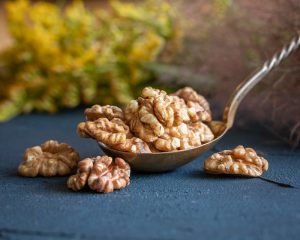
Organic walnuts
From 2.50€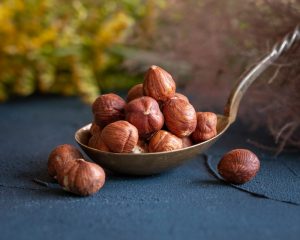
Organic hazelnuts
From 3.30€